

Choosing a film school is about more than finding experienced instructors. It’s about finding an environment where you’ll be exposed to different creative voices, professional workflows, and ways of thinking. At Budapest Film Academy, directing, screenwriting, and producing students learn from multiple working filmmakers during a single semester, giving them a broader understanding of both the creative and practical sides of filmmaking.
Rather than following one person’s methodology, students experience a variety of professional perspectives that better reflect how the film industry actually works.
Why There Is No Single Right Way to Make a Film
Filmmaking is both an art and a collaborative profession. Every successful director has a different visual style, every screenwriter approaches storytelling in a unique way, and every producer develops their own methods for bringing projects from script to screen.
That is why there is no single “correct” approach to filmmaking.
At Budapest Film Academy, students quickly discover that creative problems rarely have just one solution. Hearing different opinions from several professionals encourages them to think critically, experiment with new ideas, and build confidence in their own creative decisions.
How Budapest Film Academy Brings Working Filmmakers Into the Classroom
One of the defining features of our film school is its teaching model.
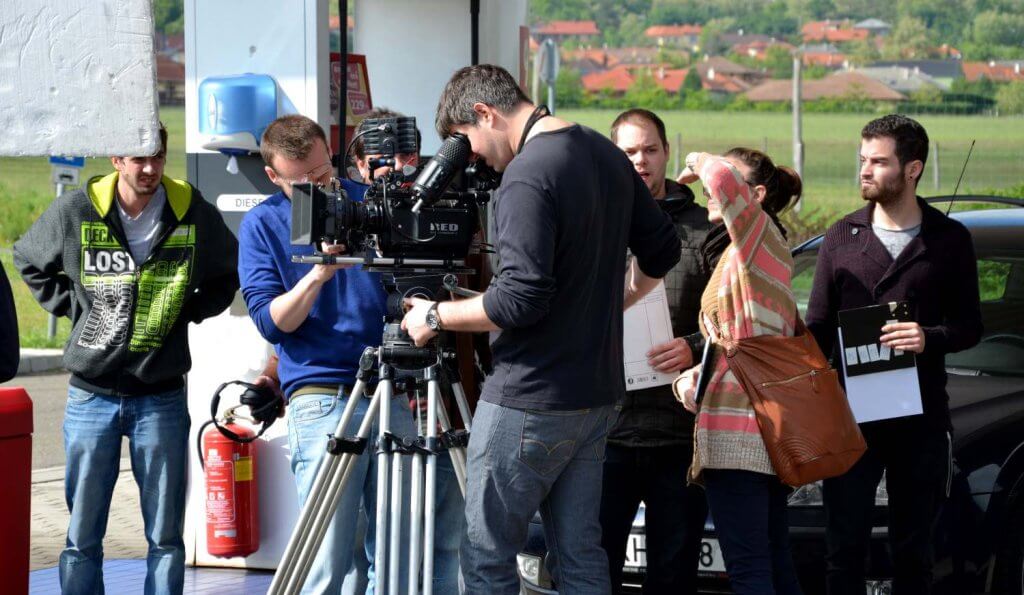
Instead of relying on a single instructor for an entire semester, students work with several filmmakers who are actively building careers in the film industry. These professionals bring current experience from real productions directly into the classroom, sharing practical knowledge that goes far beyond textbooks.
Whether studying directing, screenwriting, or producing, students benefit from hearing different approaches to common filmmaking challenges. One instructor may focus on visual storytelling and working with actors, another on screenplay structure and character development, while another emphasizes production planning, financing, or festival strategy.
This diversity gives students a richer and more realistic understanding of professional filmmaking.
Industry Experience That Is Current, Not Historical
The film industry evolves constantly. New technologies, production methods, distribution platforms, and audience expectations continue to reshape how films are made.
Because the instructors at Budapest Film Academy remain active professionals, students learn from people who are solving today’s filmmaking challenges—not discussing only projects they completed many years ago.
Classes often include real production experiences, recent industry examples, and practical discussions about the decisions filmmakers make every day.
The British Film Institute (BFI) regularly highlights the importance of developing both creative and practical filmmaking skills through hands-on experience.
This connection between education and professional practice helps students understand how the industry works right now.
Different Perspectives Help Students Find Their Own Voice
One of the greatest advantages of learning from multiple instructors is that students are encouraged to compare ideas instead of simply copying one person’s style.
Throughout the semester, they begin asking questions such as:
- Why would one director stage a scene differently from another?
- How can two professional screenwriters solve the same story problem in completely different ways?
- What production decisions change depending on the size, budget, or goals of a film?
Instead of memorizing rules, students learn how to evaluate creative options.
At Budapest Film Academy, the goal is not to create filmmakers who all think alike. The goal is to help every student develop an individual creative voice while understanding the many different ways successful films can be made.
Preparing Students for the Reality of the Film Industry
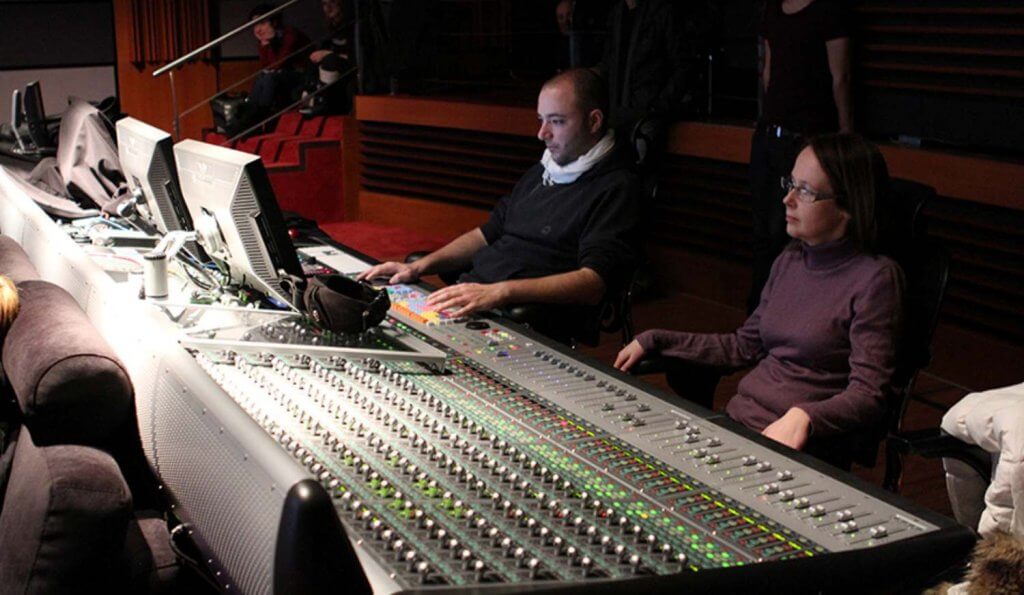
Professional filmmaking is built on collaboration. Directors, writers, producers, cinematographers, editors, actors, and designers all bring different ideas and working styles to every production.
This collaborative nature of filmmaking is reflected by the Academy of Motion Picture Arts and Sciences, the organization behind the Oscars, where excellence is recognized across a wide range of filmmaking disciplines—from directing and screenwriting to editing, cinematography, production design, and sound. This highlights that outstanding films are always the result of talented professionals working together.
The teaching approach at Budapest Film Academy reflects this reality.
By working with multiple instructors throughout a semester, students become comfortable receiving different kinds of feedback, discussing creative choices, and adapting to new perspectives. These are essential skills for anyone hoping to build a long-term career in film.
Learning to collaborate with different creative personalities is just as valuable as learning camera techniques or screenplay structure.
Why Choose Budapest Film Academy?
The mission of Budapest Film Academy is not simply to teach filmmaking techniques—it is to prepare students for the realities of the international film industry.
Learning from multiple working filmmakers within a single semester gives students access to a wider range of professional experience, creative approaches, and practical knowledge than they could gain from a single instructor alone.
If you’re looking for a film school where education is shaped by active filmmakers and diverse industry perspectives, Budapest Film Academy offers an environment designed to help you discover your own voice while learning from professionals who are creating films today.