
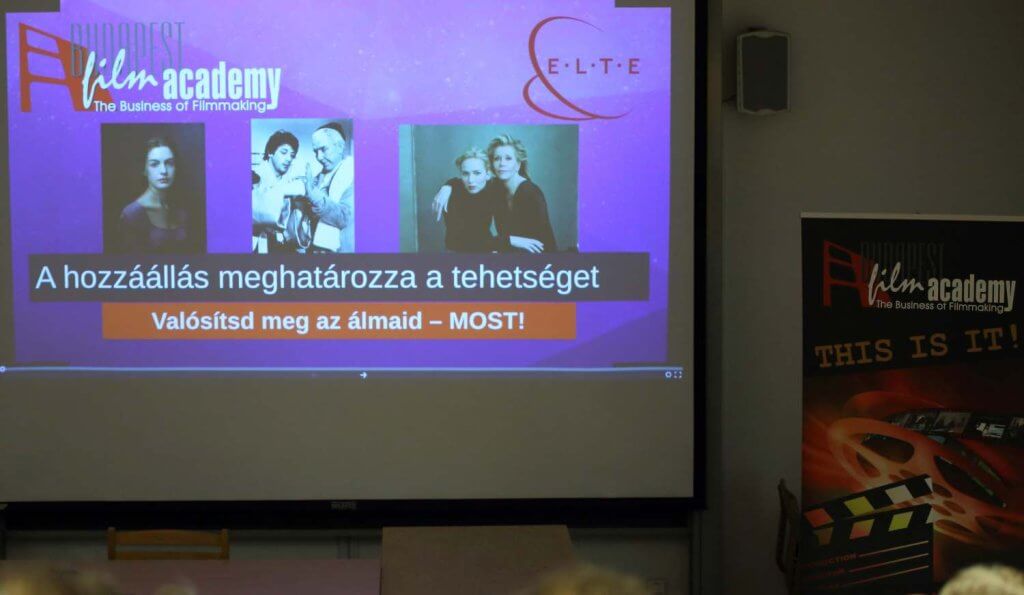
Choosing a film school is one of the most important decisions an aspiring filmmaker will make. Students compare locations, tuition fees, facilities and equipment, but there is one question that matters even more: who is actually teaching you? If you want to learn filmmaking from filmmakers, the answer to that question may be more important than any camera or studio a school can offer.
In many film schools around the world, classes are taught primarily by academics or by filmmakers whose professional careers have slowed down or never truly took off. While theory has its place in film education, filmmaking itself remains a practical profession that changes constantly with technology, audiences and the industry itself.
At the Budapest Film Academy, we believe that the best way to learn filmmaking is from people who are actively doing it.
If you want to learn filmmaking from filmmakers, choosing the right instructors may be more important than choosing the right cameras or facilities.
Learn Filmmaking From Filmmakers
There is a huge difference between hearing about filmmaking and experiencing how films are actually made.
Our instructors are not retired professionals looking back at careers they had decades ago. They are directors, cinematographers, screenwriters, editors and producers who continue to work on professional productions, develop new projects and navigate the same industry challenges that our students will soon face themselves.
Because of this, our students do not simply learn how films were made in the past. They learn how films are made today.
The techniques, workflows and creative processes taught in our classrooms are not theoretical exercises taken from textbooks. They come directly from current industry practice and real productions.
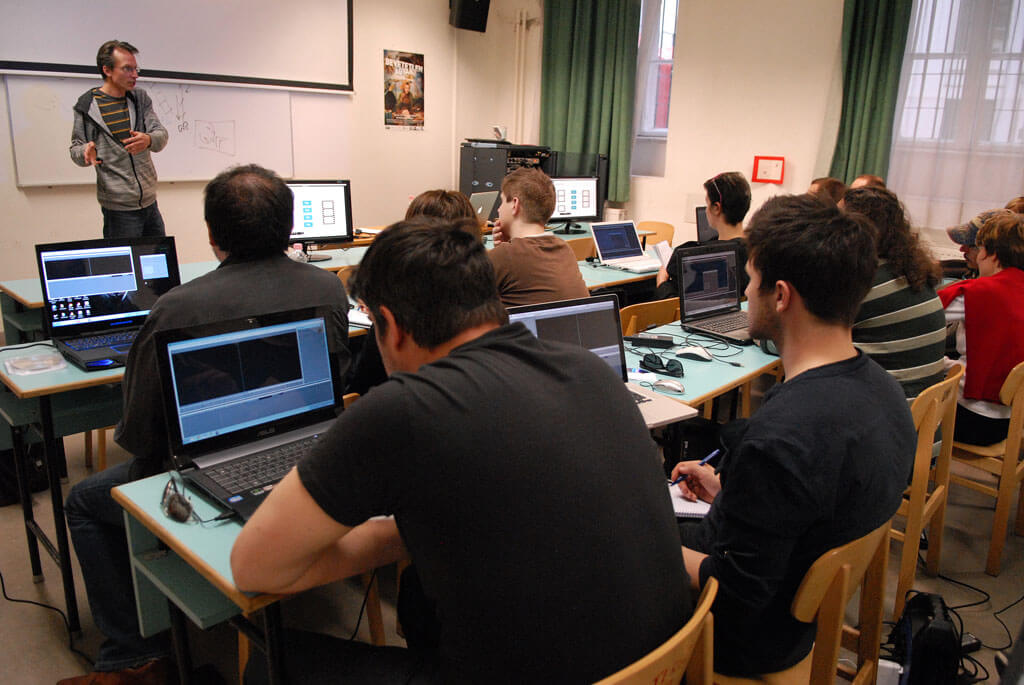
Practical Film Education Matters
Students who want to learn filmmaking from filmmakers gain access to knowledge that simply cannot be found in textbooks or traditional lectures.
You cannot become a cinematographer simply by reading about lenses. You cannot become a director by memorising camera angles. You cannot become an editor without spending countless hours solving storytelling problems in the editing room.
That is why practical film education is at the core of everything we do.
Our instructors teach from experience what happens when a shoot falls behind schedule, how to communicate with actors under pressure, how to solve production problems when budgets are limited, how to collaborate with different departments and how professional filmmakers make creative decisions every single day.
These are lessons that rarely appear in academic lectures but often determine whether a production succeeds or fails.
Success Leaves Clues
Every instructor at our academy has already proven themselves in their own field.
Our directors have directed films. Our screenwriters have written screenplays that reached production. Our cinematographers have shot professional projects. Our producers have brought productions to life. Our editors have shaped stories in post-production.
Students are not learning from people who merely understand the theory of filmmaking. They learn from professionals who have already demonstrated that they can create meaningful work and deliver finished films.
Just as importantly, they are also educators who know how to pass this knowledge on to the next generation.
Being a great filmmaker does not automatically make someone a great teacher.
We carefully select instructors who can do both.
Before choosing a film school, we encourage prospective students to look up their future instructors on IMDb. See what films they have directed, written, produced or edited. We believe your teachers should be able to inspire you not only with their words, but with the work they have already put on screen.
Industry Experience Creates Better Filmmakers
Film students often imagine that their education ends when they leave the classroom. In reality, the classroom should be the beginning of their professional journey.
When instructors remain active in the industry, students gain something that is difficult to replicate elsewhere: insight into current trends, professional expectations and real-world workflows.
They hear stories from active productions. They learn how the industry is changing. They understand what employers and collaborators are looking for.
Most importantly, they begin building the mindset required for a professional filmmaking career.
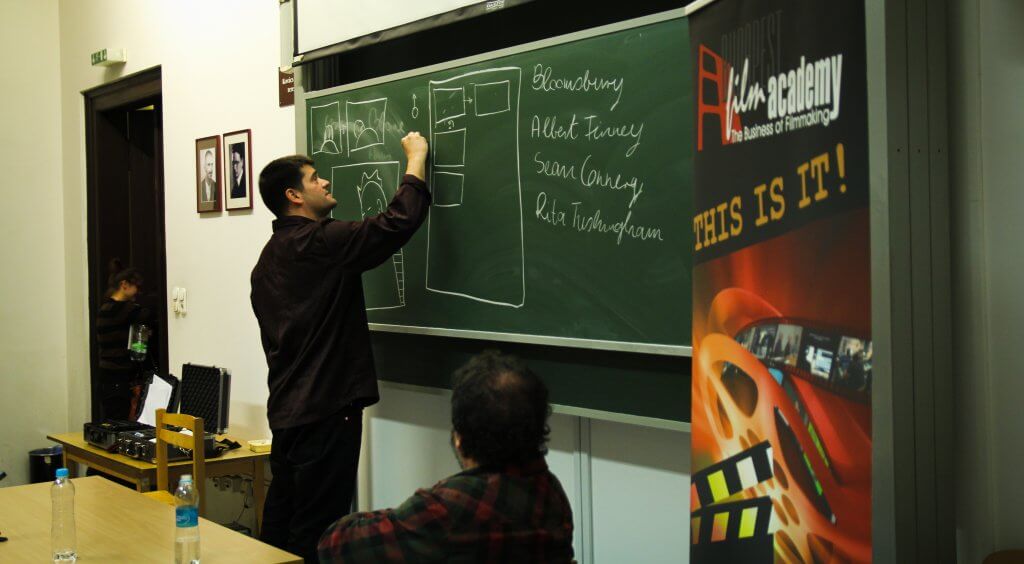
The Best Way to Learn Filmmaking From Filmmakers
No surgeon would want to learn from someone who has never performed surgery.
No pilot would want to learn from someone who has never flown an aircraft.
Filmmaking should be no different.
The best film education happens when experienced professionals pass on the lessons they learned on real productions to students who are preparing to enter the industry themselves.
This philosophy guides every course we offer.
Because filmmaking is not something you simply study. It is something you do. And the best people to teach it are the people still doing it.
At the Budapest Film Academy, students don’t simply study cinema — they learn filmmaking from filmmakers who continue to shape the industry today.